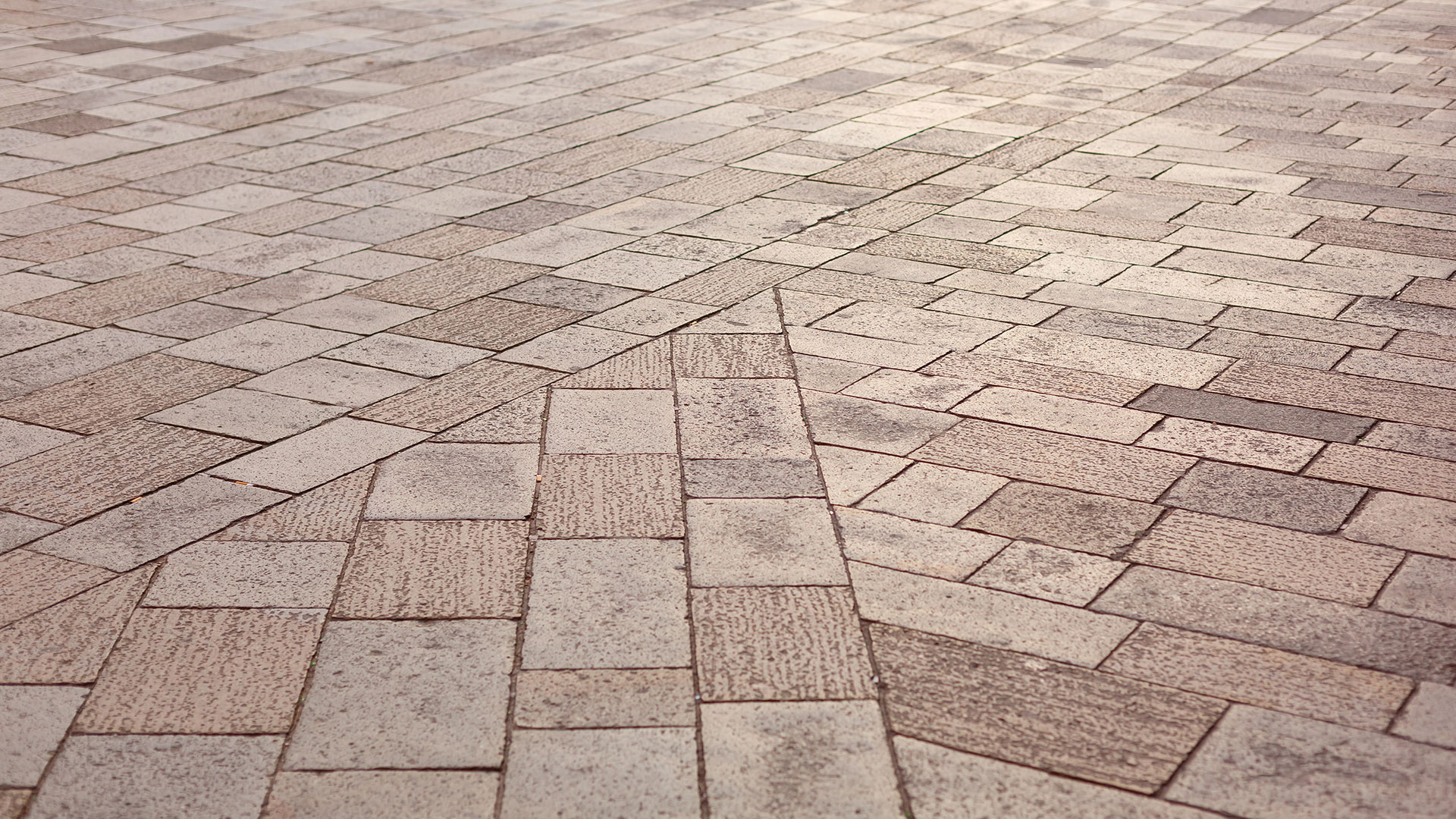
Why Paver Sealing Techniques Matter
The Science Behind Professional Paver Sealing: Why Application Technique Matters More Than the Product

When homeowners hear "paver sealing," many think the sealer brand is the big difference-maker. In reality, the science shows that technique drives results. The way a trained crew prepares the surface, controls pressure, measures moisture, and applies each pass determines how long the finish lasts, how rich the color looks, and how well the joints hold up. The right product matters, but the outcome of professional paver sealing depends on the process used to apply it.
Why Technique Outweighs The Label
Two driveways can use the same can of sealer and age very differently. One stays clear, resists tire tracking, and sheds stains. The other blushes white, turns uneven, and attracts dirt. The gap is workmanship. Film thickness, overlap pattern, cure window, and joint stabilization are all variables the crew must manage in real time. When those variables are dialed in, you get a uniform sheen and strong protection. When they are not, coatings fail early.
Surface Preparation Sets The Stage
Sealers do not stick to contamination or fight water trapped in the pores. True prep is far more than a quick rinse. It includes removing oils, algae, rust, and efflorescence with cleaners chosen for the specific stain and paver type, then neutralizing and rinsing until the surface returns to a balanced pH. Quality-focused teams verify that the surface and joint sand are dry to the core, not just on top. They also replace or top off joint sand where it has washed out so the sealer can lock the system together instead of floating on loose grit.
Cleanup choices matter. Acid-heavy cleaners can open the surface, but they must be neutralized. Alkaline degreasers can lift oils but they must be flushed so residue does not block adhesion. The best crews document their prep and testing so you know your hardscape is ready to accept sealer, not reject it.
Pressure, Nozzles, And Coverage Control
Both cleaning and application hinge on pressure control. Too much pressure during washing scars the surface and drives water deep into the base. Too little leaves contamination in the pores. During application, spray tips, fan angle, and walking speed decide how evenly the sealer lands. Back-rolling or cross-hatching with controlled passes evens out the film and reduces lap lines.
- Consistent tip size and distance keep the wet edge uniform across the field and borders.
- Measured coverage rates prevent heavy first coats that can trap solvent or water, causing whitening.
- Edge work and joints get balanced attention so the finish matches from curb to garage.
Two thin coats beat one heavy coat. A controlled first coat wets the surface and ties down joint sand. A measured second coat builds protection without drowning the pores. That balance increases durability and keeps gloss levels even rather than patchy.
Chemistry Choices That Fit Your Pavers
Not every paver, clay brick, or natural stone wants the same chemistry. There are film-forming sealers that boost color and give a sheen. There are penetrating sealers that guard against water and deicing salts without a visible film. Water-borne options have low odor and faster recoat times. Solvent-borne options can deepen color more aggressively. A pro matches the sealer to the surface's porosity, finish, and daily use, then builds a plan around cure time and maintenance expectations.
Match sealer chemistry to the surface. For example, dense clay or tumbled stone often benefits from penetrating protection to reduce slipperiness. Concrete pavers with polymeric sand may get a film-former that binds the joints and enriches tone. The product alone does not deliver the win. The win comes from pairing chemistry with technique, so the material can do its job in the real world.
Bringing you the best paver services
Restore, Protect & Preserve Your Outdoor Surfaces
Paver Sealing
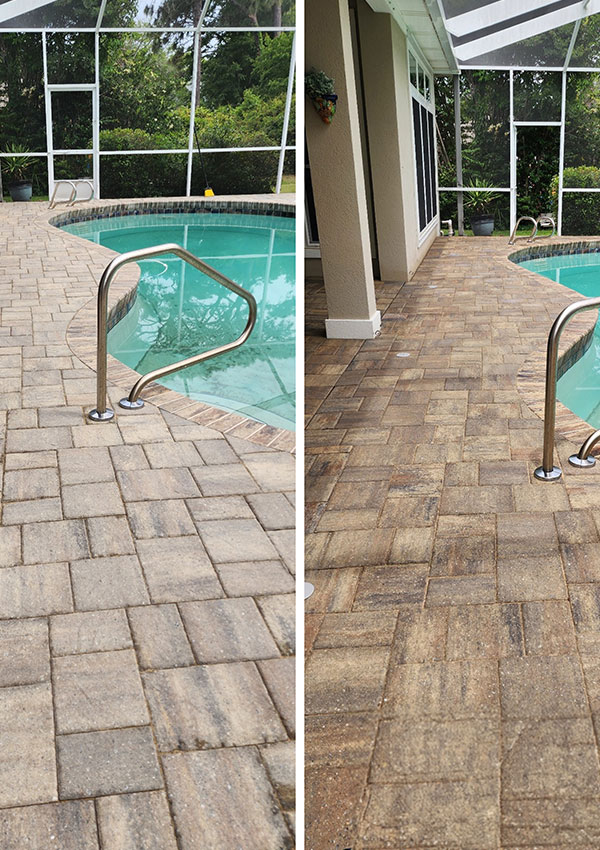
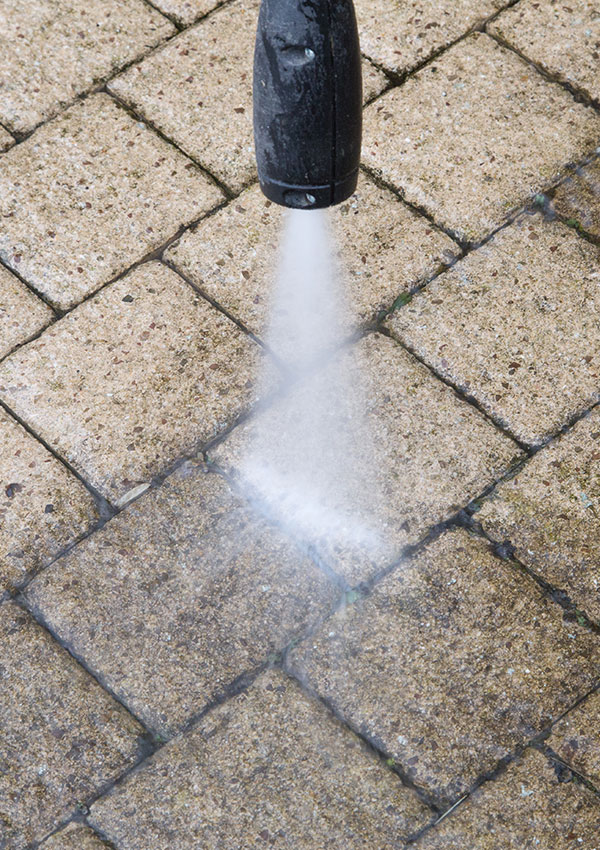
Dirt, algae, mildew, and other contaminants can leave your outdoor surfaces looking worn and neglected over time. Expert paver cleaning removes buildup and restores the clean, attractive appearance of patios, walkways, driveways, and pool decks, creating the ideal foundation for sealing and long-term surface protection.
Paver Cleaning
Dirt, algae, mildew, and other contaminants can leave your outdoor surfaces looking worn and neglected over time. Expert paver cleaning removes buildup and restores the clean, attractive appearance of patios, walkways, driveways, and pool decks, creating the ideal foundation for sealing and long-term surface protection.
Concrete Sealing
Outdoor concrete surfaces are constantly exposed to weather, foot traffic, and other damaging elements. Reduce staining, moisture penetration, and premature deterioration with concrete sealing. By protecting your investment, we help extend the life and performance of your concrete surfaces.
Commercial Paver Sealing
First impressions matter for businesses, and well-maintained hardscapes contributes to a professional appearance. Our commercial paver sealing helps protect high-traffic outdoor areas while enhancing curb appeal for customers, tenants, and visitors. We work with a variety of commercial properties to deliver durable results that support long-term property maintenance goals.
Weather, Dew Point, And Cure Time
Weather is a deciding factor. Temperature, humidity, sun exposure, and the difference between surface temperature and dew point all affect how a sealer flows and cures. In humid summers, flash-off can slow and attract airborne dust. In cool, damp shoulder seasons, trapped moisture can cause whitening or hazing. In high-UV regions, film-formers without the right stabilizers can yellow over time. The crew must read conditions and decide when to start, pause, or stop to protect the finish.
Control moisture before sealing. Pros use moisture meters or simple field checks to confirm that the pavers and joint sand are dry throughout the material. That prevents vapor pressure from lifting the film or clouding the coat. They also protect fresh sealer from night-time dew, irrigation overspray, and foot traffic until the film is resistant to marking.
Local tip: cure windows change with the season. On muggy summer afternoons or cool fall mornings, surface temperatures can drop close to the dew point, inviting blushing. Ask your crew to verify the surface temperature and dew point before they begin, and to stage work so that fresh sections are safe before evening moisture settles.
Joint Sand Stabilization And Edge Lock
Joint performance is the backbone of the system. If sand is low or loose, pavers can shift, invite weeds, and trap water. Properly dried joints and a compatible sealer create a bonded matrix that resists washout from rain and cleaning. The result is a patio or driveway that feels tighter underfoot and holds its pattern through freeze-thaw cycles, deicing salt, and hose-downs. Stabilization also helps prevent silt from being pumped up, which keeps the surface cleaner for longer stretches between maintenance visits.
Quality Checks Homeowners Can Expect
Great sealing work looks calm and methodical. It does not rush. It verifies. You should see a team that talks through site protection, drainage, and access, then gives you clear guidance on when you can walk or park on the surface. Most importantly, you should see a simple maintenance plan and future recoat timing based on traffic, sun exposure, and local climate.
- Pre-seal walkthrough that confirms stain removal, joint height, and dry conditions.
- Measured application with consistent overlap and film build, not guesswork.
- Post-seal inspection in natural light to catch thin spots or early defects.
When these checks are routine, results are repeatable. That repeatability is what turns a nice first week into a finish that still looks sharp seasons later.
What Can Go Wrong With Poor Application
Sealer failures almost always point back to process. Heavy, uneven coats lead to lap marks and tracking. Sealing over damp pavers causes milky areas that will not clear on their own. Using the wrong chemistry on smooth finishes can increase slipperiness. Washing with cutting pressure can scar the surface or gouge joints. Each of these problems is avoidable with planning and control at the job site.
Preparation determines performance. That short line explains most wins and losses. When the crew treats prep as the main event, the application goes smoothly, and the sealer does what it was designed to do. When prep is rushed, the coating has to fight through contamination and moisture, and the odds of a clean cure drop fast.
Appearance, Protection, And Lifespan: How Technique Shows Up Over Time
The benefits of professional technique show up on day one and again a year later. Early on, the finish looks even, color pops, and joints feel firm. Over time, you see less chalking and fewer stains bonding to the face of the paver. Tires mark less. Rinsing is easier. The surface keeps that "just cleaned" look longer between maintenance washes. Because the film is uniform and not overbuilt, it is also easier to refresh at the right interval without stripping. That preserves the system's integrity and extends the installation's useful life.
Maintenance Without Headaches
Good sealing is not a one-time event. It is a managed system. The maintenance plan depends on traffic, sun, irrigation overspray, and winter treatment habits. In northern climates, deicing salts challenge the coating and joints, so penetrating protection with joint stabilization can be smart. In coastal or humid regions, breathable options that resist moisture buildup can reduce the risk of whitening. Your contractor should explain how these choices fit your site so upkeep stays simple and predictable.
How To Compare Proposals Fairly
Because brands and gloss levels are easy to list, many proposals look similar on paper. The difference comes from the steps that are harder to summarize. Look for clear prep standards, moisture verification, defined coverage rates per coat, and a plan for joints and edges. Confirm that weather calls are made by trained leads and that the team returns for a light-touch inspection after the first cure window. If a company talks about process this way, you are much more likely to get consistent long-term results.
Some providers, including Emerald Coast Paver Sealing LLC, back workmanship with straightforward service policies. That protects your investment with real accountability, not just a label on a container.
Why Store-Bought Sealers Fall Short
Off-the-shelf products are built for simplicity and shelf stability. They can look fine for a short time but rarely match the bond, color hold, and joint performance of a professional system applied under tight controls. The issue is not only chemistry. It is the lack of surface evaluation, prep, and measured application that a trained crew brings. Without that control, even good products can fail early, haze up, or wear unevenly in the wheel paths and walkways you use the most.
The outcome you want comes from craftsmanship. That includes stain-specific cleaning, moisture checks, correct chemistry, and precise film build. Together, these steps create the deep, even, long-lasting finish homeowners expect from a professional service.
Ready For Results You Can See
If you are considering a refresh, talk with a team that explains not only what they use but how they apply it and why. Ask about moisture verification, coverage rates, joint stabilization, and weather calls. You will quickly learn who treats your project as a system rather than a quick coating. To discuss options with a friendly expert, call 850-312-8737 and speak with Emerald Coast Paver Sealing LLC about your project timeline and goals.
Ready for professional paver sealing that lasts in Gulf Breeze? Schedule your assessment with Emerald Coast Paver Sealing LLC today.
The Bottom Line: Technique Drives Durability
Sealing is chemistry guided by field science. When surface prep is thorough, pressure is controlled, moisture is verified, and application is measured, you get color that stays rich, joints that stay tight, and protection that lasts. That is why application technique matters more than the product name. Choose a provider that leads with process, and your driveway, patio, or pool deck will pay you back in curb appeal and easy upkeep for seasons to come.
How Can We Help?
Ready to Clean, Restore & Protect Your Surfaces? Contact Our Paver Sealing Company Today!
Get In Touch!